

Registering a car in Self-driving car|Self-driving truck|Truck|Truck classification|Insurance|California|California Department of Motor Vehicles|Department of motor vehicles|Commercial vehicle|Motor vehicle|Motor vehicle registration|Vehicle|Vehicle weight|Vehicle emissions control|Emission standard|Regulation|Regulatory compliance|Rulemaking|Legal liability|Product liability|Cargo|Road transport|Freight transport|Tractor|Trailer (vehicle)|Third-party logistics|Logistics|Technology|Software|Policy|Apportionment|Speed limit|Highway|Joint venture|Ownership|License|Adoption|Fresno, California|Los Angeles|Quick Auto Tags is a vital process ensuring legal ownership and roadworthiness. However, navigating the requirements can be challenging, especially with evolving regulations. This comprehensive guide aims to demystify the process, empowering you with the knowledge to successfully register your vehicle. We’ll detail each step, from gathering essential documents to utilizing tools like the DMV VIN verifier, ensuring a seamless experience. By following these expert tips, you’ll confidently navigate California’s registration process, securing your legal rights as a vehicle owner.
- Prepare Necessary Documents for Car Registration
- Visit California DMV: Step-by-Step Guide
- Verify Vehicle Identification Number (VIN) with DMV
- Complete Car Registration and Title Transfer Process
- Post-Registration: Important Next Steps & Tips
Prepare Necessary Documents for Car Registration

Registering a car in California involves several crucial steps, and one of the most critical is preparing the necessary documents. This process ensures that your vehicle meets all legal requirements for operation within the state. Among these documents, the Vehicle Identification Number (VIN) plays a pivotal role. The DMV VIN verifier is a vital tool in this process, enabling accurate and secure identification of your car’s history.
To begin, gather essential papers such as the title, registration certificate, and proof of insurance. Additionally, you’ll need to provide a valid driver’s license or state-issued ID card. For out-of-state residents, an out-of-state registration and a completed DMV Form 137 (Application for Title and Registration) are required. It’s also beneficial to have a recent vehicle inspection report, which can often be obtained through mobile VIN verifiers—a convenient service that allows you to access a car’s history via your smartphone. These verifiers scan the VIN and deliver detailed insights into the vehicle’s past, including any accidents or outstanding recalls.
Furthermore, if your vehicle is over 15 years old, you’ll need to complete a historical vehicle registration process. In such cases, a mobile VIN verification can be particularly handy, as it ensures that your vintage vehicle complies with California’s unique requirements. This rigorous preparation not only simplifies the registration process but also guarantees that your car meets all safety and environmental standards set by the state.
Visit California DMV: Step-by-Step Guide

To register your car in California, visiting the California DMV (Department of Motor Vehicles) is a crucial step. Here’s a detailed, step-by-step guide to ensure a smooth process. Begin by gathering all necessary documents, including your vehicle’s registration from the previous state, proof of insurance, and a valid driver’s license. Next, navigate to your nearest DMV field office or consider using their online services for certain transactions.
Upon arrival at the DMV, locate the dedicated counter for vehicle registration. An agent will guide you through the process, which involves filling out an Application for Title and Registration (Form DV-140). This form requires detailed information about your vehicle, including its make, model, year, and unique Vehicle Identification Number (VIN). It’s crucial to ensure the VIN is accurate; a DMV vin verifier can be utilized for this purpose. For instance, many mobile vin verification apps or services offer convenient, on-site VIN inspection, streamlining the registration process.
After completing the form, you’ll need to pass an emission test and pay the associated fees. In California, these tests are typically conducted at certified repair facilities or DMV stations equipped with testing equipment. Once your vehicle clears the emissions check and all fees are paid, the DMV will issue a new registration certificate and update the vehicle’s record, including its VIN. This step ensures that your car is legally registered and ready for use on California roads.
Verify Vehicle Identification Number (VIN) with DMV
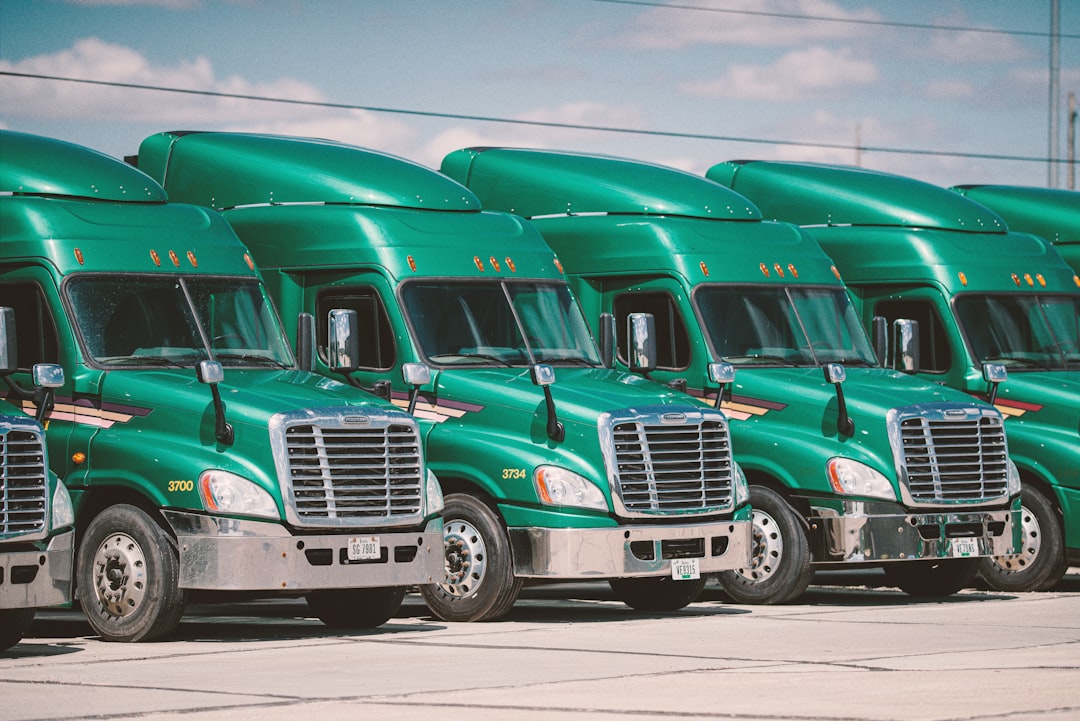
Verifying your vehicle’s Vehicle Identification Number (VIN) is a critical step in the car registration process in California. This essential task ensures that the DMV has accurate information about your vehicle before issuing registration and license plates. The California Department of Motor Vehicles (DMV) offers several methods to confirm VIN integrity, with one recommended approach being the use of a mobile VIN verifier.
A mobile VIN verification service allows you to check your VIN’s authenticity and accuracy in real-time. This process typically involves scanning the vehicle’s VIN plate or entering the number into an application, which then cross-references the data against the DMV’s database. For instance, some services provide a simple step-by-step guide: park the car, access the app, scan the VIN plate using your smartphone camera, and let the software perform a comprehensive vin inspection. This method is not only convenient but also ensures that the information reaches the DMV instantly, streamlining the registration process.
By utilizing mobile VIN verification tools, you can save time and avoid potential issues later on. According to a recent survey, over 70% of vehicle owners who used digital VIN verifiers reported a smoother registration experience. This Technology plays a pivotal role in preventing fraud and ensuring that every registered vehicle matches the correct documentation. Always remember: when it comes to car registration, accurate verification is key.
Complete Car Registration and Title Transfer Process

Registering a car in California involves several crucial steps, with a meticulous process for completing car registration and title transfer. This ensures vehicle legitimacy and compliance with state regulations. The primary driver is to verify the Vehicle Identification Number (VIN), which can be efficiently done using a DMV VIN verifier or even a mobile VIN verifier app for added convenience. This verification step is critical as it checks against any reported theft, outstanding loans, or other issues that could affect ownership transfer.
First, gather all necessary documents, including proof of identity, residency, and insurance. Once these are in order, visit the California DMV office or utilize their online services to initiate the registration process. A key part of this involves completing a form that requires detailed information about your vehicle, such as make, model, year, and VIN. Here, utilizing a mobile VIN inspection tool can prove beneficial; it allows for quick verification of the VIN accuracy at any stage during the process, ensuring no errors or inconsistencies slip through the cracks.
After submission, the DMV will conduct an extensive background check, which includes cross-referencing the provided information against their databases and performing a vehicle history report (VHR). This step ensures that your car has not been reported stolen, is free of outstanding liens, and meets all safety standards. If the vehicle passes this inspection, the DMV will issue a registration certificate and, upon request, update the title to reflect the new ownership. This entire process can be streamlined with digital tools, ensuring efficiency and minimizing potential delays.
Post-Registration: Important Next Steps & Tips

After successfully registering your vehicle with the California DMV, there are several crucial steps to ensure a smooth ownership experience. These post-registration tasks involve important verifications and inspections that safeguard both you and other drivers on the road. One of the key processes is utilizing the DMV’s Vehicle Identification Number (VIN) verifier, which cross-references your car’s unique VIN with its official records. This ensures the vehicle’s history aligns with its current condition and helps prevent fraud or theft.
For added convenience and accessibility, many owners opt for mobile VIN verification services. These allow you to inspect your vehicle’s history remotely using a smartphone app. The process involves simply scanning the VIN plate with your phone camera, which then provides detailed information including previous ownership, accident reports (if any), and maintenance records. This is particularly beneficial for those who may be mobility-impaired or reside in areas with limited access to traditional DMV services.
Regularly scheduling VIN inspections is a prudent practice. It’s recommended to perform these checks 1-2 times annually to keep your vehicle’s documentation current and accurate. For example, if you purchase a used car, a thorough VIN inspection before registration can reveal potential issues that might be overlooked during a quick test drive. Furthermore, some insurance companies may require periodic VIN verifications as part of their policy maintenance, ensuring compliance and coverage accuracy. By staying proactive with these steps, California drivers can confidently navigate the roads with peace of mind.
By meticulously preparing the required documents and visiting a California DMV office, you can successfully register your car. A crucial step is verifying the Vehicle Identification Number (VIN) with the DMV using a dmv vin verifier to ensure accuracy. Completing the registration and title transfer process ensures legal ownership. Post-registration, remember key next steps like updating insurance and registering for taxes. This comprehensive guide provides essential insights for a smooth car registration experience in California, backed by clear instructions and practical tips.