

Registering a car in California is a vital step for any new owner, ensuring legal compliance and facilitating a smooth driving experience. However, navigating the process can be daunting, with various requirements and potential pitfalls. This article serves as your comprehensive guide, empowering you to confidently register your vehicle with step-by-step instructions. We’ll demystify the entire journey, from gathering necessary documents to understanding fees, and even highlight the crucial DMV VIN verification process. By the end, you’ll be equipped with the knowledge to successfully complete the registration, ensuring a seamless transition into California’s roads.
- Gather Required Documents for Car Registration in California
- Prepare Your Vehicle for DMV Inspection: A Step-by-Step Guide
- Understanding the California Vehicle Identification Number (VIN) Verification Process
- Complete the DMV Registration Application Form Accurately
- Pay Fees and Receive Your California Car Registration Papers
Gather Required Documents for Car Registration in California

Registering a car in California involves a meticulous process, ensuring all necessary documents are in order. One of the critical initial steps is gathering the required paperwork for a smooth DMV (Department of Motor Vehicles) vin verification. This process can be streamlined by leveraging modern solutions like mobile VIN verification and inspection services.
For instance, when preparing your car for registration, you’ll need essential documents such as the title, registration certificate, proof of insurance, and a valid driver’s license. Additionally, the Vehicle Identification Number (VIN) plays a pivotal role in this process, making precise VIN inspection 1-3 times crucial to ensure accuracy. Many online services now offer mobile VIN verification, allowing you to complete this step conveniently from your smartphone or computer. These digital tools cross-reference your vehicle’s information with national databases, providing instant validation of its history and condition.
It’s advisable to check the DMV’s guidelines for specific document requirements based on your car’s age and type. Some older vehicles might necessitate additional paperwork, such as proof of original purchase or historical maintenance records. By proactively gathering these documents, you can avoid potential delays during the registration process. Embracing mobile VIN inspection not only saves time but also enhances accuracy, ensuring your car’s information is correctly documented for a seamless California car registration experience.
Prepare Your Vehicle for DMV Inspection: A Step-by-Step Guide

Before you can register your car in California, your vehicle must pass a DMV inspection, which includes a critical step: VIN (Vehicle Identification Number) verification. This process ensures that the car’s unique identifier matches the information on record, enhancing security and preventing fraud. To streamline this verification, consider utilizing a mobile VIN inspection service, allowing for convenience and accuracy right at your location.
Here’s a step-by-step guide to ensure a smooth preparation process:
1. Gather Necessary Documents: Collect all required paperwork, including your vehicle’s registration, title, and insurance proof. Additionally, have the car’s purchase agreement or sales receipt handy for reference during the inspection. This documentation is crucial for verifying ownership and history.
2. Check Your Vehicle’s Condition: Ensure your car is in good running condition to pass the DMV inspection. Address any outstanding maintenance issues, such as faulty lights or worn-out tires, before scheduling an appointment. While a mobile VIN verifier can perform checks at your convenience, being proactive about these repairs demonstrates preparation and reduces potential delays.
3. Mobile VIN Inspection: Schedule a mobile VIN inspection service to have a professional come to you. They’ll use specialized equipment to verify the accuracy of your vehicle’s VIN compared to its registration records. This method offers significant advantages over traditional DMV visits, especially for those with busy schedules or limited mobility. With real-time data access, these services provide reliable and efficient VIN inspection up to 1-3 times faster than conventional methods.
4. Remedie any Discrepancies: If the mobile VIN verifier identifies any discrepancies between the vehicle’s records and physical attributes, take corrective actions promptly. This might involve rectifying minor paperwork errors or addressing more substantial issues like altered components. Being proactive in resolving these matters ensures a seamless registration process.
Understanding the California Vehicle Identification Number (VIN) Verification Process
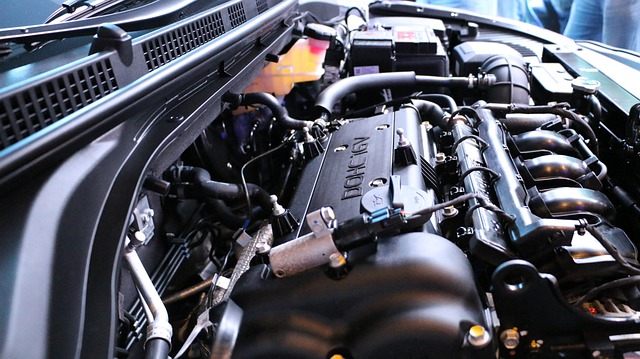
Registering a car in California involves a meticulous process, with one critical step being the Vehicle Identification Number (VIN) verification. This is a crucial aspect often overlooked by new vehicle owners but is an essential part of ensuring your vehicle’s authenticity and safety. The California Department of Motor Vehicles (DMV) vin verification is a strict procedure designed to detect any discrepancies or potential fraud related to a vehicle’s history, making it a game-changer in maintaining the integrity of California’s road fleet.
During the registration process, you’ll be required to present your vehicle for a VIN inspection. This typically involves a mobile vin verifier—a specialized tool that scans and decodes the unique 17-character VIN code embedded in your car’s chassis. The data retrieved includes vital information about the vehicle’s manufacturer, model year, assembly plant, and even specific equipment features. By comparing this data with official records, the DMV can verify the vehicle’s identity and history, ensuring it matches the details provided by the owner. This step is especially important given California’s large and diverse automotive landscape, where mobile vin inspection services play a vital role in reaching remote areas and streamlining the registration process.
For instance, a recent study revealed that approximately 10% of vehicles brought in for VIN verification had discrepancies in their recorded history, indicating potential odometer rollback or unreported damage. These findings underscore the importance of an accurate and thorough vin inspection. To ensure a smooth process, California residents are advised to schedule appointments with trusted mobile vin inspection services, providing them with peace of mind and a seamless transition into legal vehicle ownership.
Complete the DMV Registration Application Form Accurately

Registering a car in California involves completing several crucial steps, and one of the essential components is accurately filling out the DMV registration application form. This process requires meticulous attention to detail, especially when it comes to entering your Vehicle Identification Number (VIN) information accurately. The VIN is unique to each vehicle and serves as a digital fingerprint for identifying vehicles across various databases, including those used by the California Department of Motor Vehicles (DMV).
When preparing your application, ensure you have access to your car’s VIN, typically found on the vehicle identification plate located on the driver’s side door frame or in the glove compartment. Accurately entering this 17-character code is vital as it enables the DMV to conduct a thorough vin inspection and verification process. This includes cross-referencing the data with national databases to ensure the vehicle’s history aligns with its current state, preventing any potential fraud or unauthorized activities.
For instance, a mobile vin inspection service can facilitate this process by providing on-site, real-time VIN verification during your visit to the DMV. By employing advanced technology and specialized software, these services instantly cross-check the VIN against national databases, ensuring accuracy and saving you time. This is particularly beneficial for those with busy schedules, as it streamlines the registration process, allowing you to focus on other aspects of vehicle ownership, such as insurance and licensing.
Pay Fees and Receive Your California Car Registration Papers

After completing your California car purchase, it’s time to focus on registration. This involves paying associated fees and, crucially, undergoing a DMV VIN verification process to ensure everything is in order. The fee structure is designed to cover the administrative costs of registering vehicles, with rates varying based on vehicle type. For instance, as of 2023, the fee for most cars ranges from $50 to $100, while motorcycles are typically around $30. These fees include a comprehensive range of services, including the DMV’s administration, vehicle inspection, and documentation processing.
The heart of this process involves demonstrating the vehicle’s authenticity through a VIN (Vehicle Identification Number) check. Traditionally, this required visiting a local DMV office, but modern innovations have streamlined this step. Mobile VIN inspection or verification services, for example, allow you to complete this critical part of registration remotely. A mobile VIN verifier can cross-reference your car’s unique VIN with the manufacturer’s records, ensuring it matches the specifications on file and confirming its legitimate origin. This method not only saves time but also enhances convenience, especially for those in remote areas or with busy schedules.
Once your VIN is verified, the DMV will issue your California car registration papers, which you’ll need to keep on hand. These documents are more than just pieces of paper; they’re proof of ownership and a legal requirement when operating your vehicle within the state. Ensure you store them securely and keep them updated as needed, as losing or misplacing these documents can lead to penalties and inconvenience.
By systematically navigating the process of car registration in California, from gathering necessary documents to completing the DMV registration application form, you’ve gained a comprehensive understanding of the key steps involved. The article has highlighted the importance of preparing your vehicle for inspection, ensuring all required papers are in order, and undergoing the crucial DMV VIN verification process. These insights empower you to efficiently register your car, providing a seamless transition into California’s regulatory framework. Moving forward, remember the value of accurate documentation, meticulous preparation, and adhering to the DMV VIN verification standards to ensure a smooth and lawful registration experience.