

Registering a car in California is a vital step for any new owner, ensuring legal compliance and protecting your investment. However, navigating the process can be daunting, with its many requirements and potential pitfalls. This comprehensive guide aims to demystify the entire procedure, from gathering necessary documents to using reliable tools like a VIN verifier to ensure authenticity. By following these authoritative steps, you’ll efficiently register your vehicle, ensuring a smooth and stress-free experience.
- Gather Necessary Documents for Car Registration
- Verify Vehicle Identification Number (VIN) with a Tool
- Choose an Appropriate California Car Registration Class
- Submit Application and Required Fees to DMV
- Receive and Activate Your California License Plate
Gather Necessary Documents for Car Registration

Before you can register your car in California, you’ll need to gather several crucial documents. This process is designed to ensure the authenticity of your vehicle and verify its history. A key step in this process involves using a Vehicle Identification Number (VIN) verifier. The California Department of Motor Vehicles (DMV) recommends utilizing a VIN inspection service, which can be done via mobile vin verification for added convenience. This method allows you to check the vehicle’s history from the comfort of your home or even while waiting at the DMV.
When gathering documents, remember that accuracy is paramount. You’ll require proof of ownership, such as a title document, and a valid driver’s license or state ID card. Additionally, insurance documentation, including your policy number and coverage details, is essential. If you’re registering a vehicle out of state and then moving to California, you might need an Interstate Vehicle Registration Form (ICVR). This form facilitates the transfer of registration from one state to another. Moreover, any previous registration records or vehicle history reports can be beneficial during the verification process.
Mobile vin inspection services play a significant role in streamlining this documentation process. They provide quick and reliable VIN verifications, ensuring that your car’s history checks out before you commit to registration. For instance, many mobile services offer real-time data access, allowing you to confirm important details like the vehicle’s age, make, model, and any reported accidents or damage. This proactive approach can save time, effort, and potential headaches down the road. Always opt for reputable services that adhere to industry standards to guarantee accurate and secure information handling.
Verify Vehicle Identification Number (VIN) with a Tool
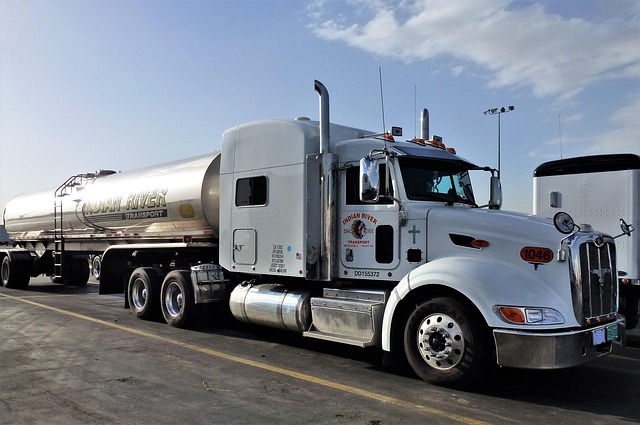
Verifying the Vehicle Identification Number (VIN) is a crucial step in the car registration process in California. This unique 17-character code serves as a digital fingerprint for your vehicle, providing essential information about its make, model, year, and manufacturing location. To ensure accuracy and avoid potential issues during registration, it’s critical to use a reliable VIN verifier. Online tools and mobile apps designed for this purpose offer convenient and precise methods for inspecting the VIN.
One of the advantages of utilizing a mobile VIN verification service is its accessibility. You can perform this check on your smartphone or tablet, eliminating the need to visit a dealership or vehicle history center. These apps often sync with national databases to cross-reference the provided VIN against recorded information, offering instant results. For instance, a quick search on the App Store or Google Play reveals numerous options, some even backed by car industry giants, ensuring their credibility and reliability.
During the registration process in California, having an up-to-date and accurate VIN inspection can streamline transactions with the Department of Motor Vehicles (DMV). It reduces the chances of errors, delays, or discrepancies that might arise from manual entry. Moreover, these digital tools provide peace of mind by offering a detailed breakdown of the vehicle’s history, including any previous owners, maintenance records, and potential recalls. This information can empower car buyers to make informed decisions and ensure they’re acquiring a safe and reliable vehicle.
Choose an Appropriate California Car Registration Class

Choosing the right California car registration class is a crucial step in ensuring a smooth and efficient process. The state offers several classes catering to various vehicle types and ownership scenarios. Understanding these classifications is essential for owners, especially when considering factors like vehicle age, use, and personal circumstances. For instance, classic cars or those with historical significance often fall under different categories, requiring specific procedures and documentation.
The California Department of Motor Vehicles (DMV) utilizes a Vehicle Identification Number (VIN) verifier to ensure the accuracy of registration. This includes mobile VIN verification services that can inspect vehicles at various locations, offering convenience for owners. For example, if you’re registering an antique vehicle, which often has unique restoration and ownership histories, a specialized inspection might be required. This could involve a detailed examination by a professional appraiser or restoration expert who uses modern tools like mobile VIN verifiers to cross-reference data with reputable databases.
Knowing your class is key to avoiding unnecessary delays or costs. For regular vehicles, an online registration process is available, which simplifies matters for most owners. However, certain situations may warrant a more tailored approach. For example, fleet managers might need to register multiple vehicles simultaneously, requiring a different set of procedures than individual car owners. Utilizing mobile VIN verification in these cases can streamline the process, as it allows for efficient inspections and data validation at scale.
Submit Application and Required Fees to DMV

To complete the registration process, you’ll need to submit a completed Vehicle Registration Application along with the required fees to the California Department of Motor Vehicles (DMV). This step is crucial, as it verifies your vehicle’s identity and ensures compliance with state regulations. One efficient method to streamline this process is by utilizing a mobile VIN verifier, which can be integrated into your application submission. A VIN (Vehicle Identification Number) inspection using these tools provides accurate data that the DMV requires.
When preparing your application, ensure all information is correct and up-to-date. This includes the vehicle’s make, model, year, and current mileage, as well as your personal details. Inaccurate or incomplete submissions can lead to delays or rejection. Some applications may also require additional documentation, such as proof of insurance or a safety inspection certificate. It’s advisable to check with your local DMV branch for specific requirements.
After gathering all necessary documents, you’ll need to pay the required fees. These typically include a registration fee and a title fee, which vary depending on your vehicle’s type and age. You can opt to pay via credit card, debit card, or other approved methods. Some counties in California offer online payment options for added convenience. Always keep records of your transaction and application submission for future reference, as these documents are essential for maintaining accurate vehicle records.
Receive and Activate Your California License Plate
Receiving and activating your California license plate is a crucial step in the car registration process. Once you’ve gathered all necessary documents and passed the vehicle inspection, it’s time to claim your plates. Begin by scheduling an appointment at a California Department of Motor Vehicles (DMV) field office or utilizing their online services for a more convenient experience. During your visit, bring your proof of insurance, vehicle registration, and identification documents. A DMV representative will verify your information and perform a VIN inspection to confirm the vehicle’s identity using its unique 17-digit VIN (Vehicle Identification Number). This process ensures that your car is genuine and meets California’s safety standards.
If you prefer a streamlined approach, consider employing a mobile VIN verifier. Many services offer on-demand mobile VIN verification, allowing you to complete the inspection from the comfort of your home or workplace. These apps or online tools cross-reference your VIN with data from various sources, providing instant validation. For instance, some services can check for outstanding recalls, previous owners, and potential fraud, giving you peace of mind before committing to the registration. Once your VIN inspection is complete, a unique California license plate will be assigned to your vehicle.
After obtaining your plates, it’s essential to activate them with the DMV. This step involves registering your vehicle and updating your driver’s license information if necessary. Ensure that your plates are displayed properly on your vehicle for both identification and safety reasons. Proper VIN inspection and timely plate activation not only comply with California’s regulations but also ensure a smoother, safer driving experience.
Registering a car in California involves several key steps, from gathering essential documents to receiving your license plate. The most critical component is verifying the Vehicle Identification Number (VIN) using a reliable tool to ensure accuracy. Choosing the appropriate registration class tailored to your vehicle’s characteristics simplifies the process. Submitting a complete application and fees to the DMV is the next step, leading to the final stage of plate activation. By following these structured procedures, including the use of a VIN verifier, Californians can efficiently navigate the car registration process, ensuring their vehicles are legally compliant and ready for the road.