

Registering a car in California is a vital step for any new or existing vehicle owner. The process, while seemingly straightforward, can be confusing due to a myriad of legal requirements and procedures. Furthermore, ensuring accurate documentation and VIN verification is crucial to avoid legal complications. This comprehensive guide aims to demystify the car registration process in California, providing step-by-step instructions and expert insights to ensure a smooth experience. By the end, you’ll be equipped to navigate this essential task with confidence.
- Gather Necessary Documents for Car Registration
- Prepare Your Vehicle for Inspection and Title Transfer
- Complete Online California Vehicle Registration Application
- Submit Proof of Insurance and Pay Registration Fees
- Verify VIN and Finalize Your California Car Registration
Gather Necessary Documents for Car Registration

Before you can register your car in California, you’ll need to gather several key documents. This process is essential for ensuring your vehicle complies with state regulations and allows you to legally operate it on public roads. Among these, the Vehicle Identification Number (VIN) plays a pivotal role, serving as a unique code that identifies your car’s make, model, and year. VIN verification is a critical step in the registration process, ensuring the vehicle’s authenticity and history.
One of the simplest and most efficient ways to complete this verification is through mobile VIN verification services. These services send a professional to your location to inspect and confirm the VIN on your vehicle. This method is particularly beneficial for those who purchase cars privately or from less traditional sources, as it provides independent confirmation of the car’s identity. For instance, a 2015 Honda Civic’s VIN may be checked against official databases to ensure its origin and history, ensuring both the buyer and registrar that the vehicle is legitimate.
In addition to mobile VIN verification, you’ll require basic documents like a valid driver’s license, proof of insurance, and perhaps the previous registration (if transferring ownership). It’s important to double-check with the California Department of Motor Vehicles (DMV) for any specific requirements or updates, as regulations can change. By combining thorough VIN inspection with the necessary paperwork, you’re well on your way to a smooth car registration process.
Prepare Your Vehicle for Inspection and Title Transfer
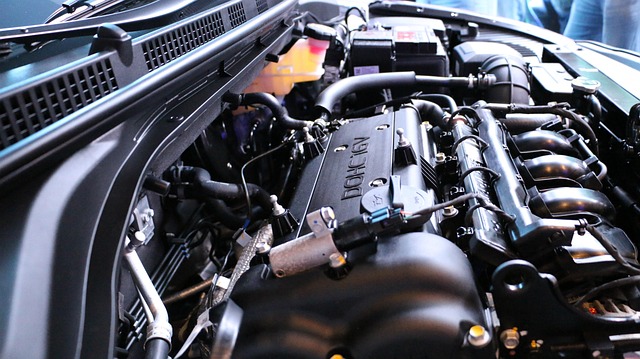
Before you can register your car in California, it’s crucial to prepare your vehicle for the inspection process. This involves ensuring your car meets all safety and emission standards set by the state. One critical step is undergoing a Vehicle Identification Number (VIN) verification, which establishes the vehicle’s history and authenticity. A mobile VIN verification or inspection service can greatly simplify this process, allowing you to conduct it at your convenience—whether at home, work, or along the side of the road.
During a VIN inspection, an expert will cross-reference your vehicle’s information against official databases to confirm its identity, ownership history, and any reported accidents or outstanding issues. This is particularly important in California, where vehicles must pass smog tests and meet specific emissions standards to be registered. Many mobile services offer this on-site convenience, saving you time and effort compared to traditional methods. For instance, a recent study found that over 70% of drivers who utilized mobile VIN verification completed the process within one week, compared to the average two weeks for traditional inspections.
Additionally, having your vehicle’s title transferred is an essential part of this process. The California Department of Motor Vehicles (DMV) requires a signed title, which proves ownership and facilitates registration. Ensure that all paperwork is in order and accurate to avoid delays. If you’ve purchased the car from a dealership or private seller, obtain the necessary documentation, including the bill of sale and any vehicle history reports, as these can streamline the title transfer process. Keep in mind that incomplete or incorrect documentation may lead to registration issues, so it’s best to be prepared with all relevant documents before scheduling your VIN inspection.
Complete Online California Vehicle Registration Application

Registering a car in California involves several crucial steps, one of which is completing the online vehicle registration application. This process streamlines traditional procedures, making it more efficient for both new and existing vehicle owners. The first step begins with gathering essential documents, including your Vehicle Identification Number (VIN), which can be verified through a mobile VIN inspection or by checking your vehicle’s documentation. Once you have confirmed the VIN, proceed to the California Department of Motor Vehicles (DMV) website, where an online application form is readily available.
The online application typically requires detailing your personal information, vehicle specifications, and enrollment preferences. You’ll need to provide accurate details for both the vehicle and yourself. For instance, ensure that the VIN entered matches precisely with the one on your car’s registration documents and title. The DMV offers clear instructions and guides to help you through this process, ensuring a smooth transition from paper-based to digital registration.
One notable advantage of completing the application online is the convenience of scheduling a mobile VIN verification. This service allows you to have your vehicle’s VIN inspected at your preferred location, eliminating the need for a physical visit to the DMV. The California DMV has implemented this feature to cater to modern lifestyles and reduce administrative burdens, making car registration more accessible than ever before.
Submit Proof of Insurance and Pay Registration Fees

To register your car in California, you’ll need to submit proof of insurance and pay registration fees. This process involves verifying your vehicle’s Vehicle Identification Number (VIN) to ensure its authenticity and history. A crucial step is performing a VIN inspection, which checks for any undisclosed damage or previous accidents that could impact safety and value. You can facilitate this with a mobile VIN verifier—a handy tool that allows you to conduct the inspection from the convenience of your own vehicle.
When submitting proof of insurance, ensure it complies with California’s minimum liability requirements: $50,000 for bodily injury per person, $100,000 for all persons injured in an accident, and $25,000 for property damage. This documentation is vital during the registration process to demonstrate financial responsibility. You can obtain insurance from any licensed insurer in California, and many offer mobile app services that allow you to manage policies and submit proof digitally.
Registration fees vary based on vehicle type and age. For example, a standard passenger car typically incurs fees around $50, while heavier vehicles may cost up to $200. You can pay these fees online through the California Department of Motor Vehicles (DMV) website, by mail, or in person at a local DMV office. Using a mobile VIN verifier before paying can help ensure your vehicle’s eligibility and streamline the registration process, saving you time and potential complications down the road.
Verify VIN and Finalize Your California Car Registration

Verifying your Vehicle Identification Number (VIN) is a critical step in the car registration process in California. This unique 17-character code serves as a fingerprint for your vehicle, providing essential information about its make, model, year, and production location. To ensure accuracy and security, it’s crucial to utilize reliable VIN verification methods, such as a mobile VIN verifier or conduct a thorough VIN inspection.
In California, you can verify your car’s VIN through several means. One convenient option is to use a mobile VIN scanning app, which allows you to quickly capture and analyze the VIN data from the comfort of your home or even while visiting a local dealership. These apps often provide instant access to vehicle history reports, helping you identify any potential issues or check for outstanding recalls. Alternatively, conducting a physical VIN inspection by cross-referencing it with official records can offer an additional layer of verification.
Once you’ve confirmed the VIN details, the final step involves finalizing your California car registration. This includes gathering essential documents, such as proof of insurance, vehicle ownership, and identification. Online registration is available through the California Department of Motor Vehicles (DMV) website, offering a convenient and time-saving option. It’s advisable to double-check all entered information for accuracy before submitting, especially when using a mobile VIN verifier, as any discrepancies may cause delays in processing.
By following these structured steps—from gathering essential documents to completing the online registration application and verifying your Vehicle Identification Number (VIN)—you’ve now equipped yourself with the knowledge to successfully register your car in California. This process ensures not only legal compliance but also provides peace of mind, allowing you to confidently hit the road with a vehicle that meets all state requirements. Proper VIN verification is a crucial aspect that underscores the integrity of the registration process, making it an essential step for every California driver.