

Registering a car in California is a vital step for new owners, ensuring legal compliance and protecting their investment. However, navigating the process can be confusing, with various requirements and forms to fill out. This comprehensive guide aims to demystify the registration procedure, empowering folks to complete it smoothly. We’ll detail each step, emphasizing the significance of accurate documentation and even suggesting tools like a VIN verifier to ensure everything checks out. By the end, you’ll be armed with the knowledge to register your vehicle effortlessly.
- Understand California Car Registration Requirements
- Gather Necessary Documents for Vehicle Registration
- Verify Vehicle Identification Number (VIN) with a Tool
- Choose an Appropriate Registration Class and Pay Fees
- Register Your Car Online or In-Person at the DMV
Understand California Car Registration Requirements

Registering a car in California involves understanding specific requirements to ensure legal compliance and avoid penalties. First, it’s crucial to know that all vehicles operated on California roads must be properly registered with the Department of Motor Vehicles (DMV). This includes cars, trucks, motorcycles, and other motor vehicles. Failure to register can result in fines and legal action.
To start the registration process, you’ll need several essential documents, such as proof of ownership, a valid driver’s license, and a completed Vehicle Registration Application form. The primary requirement is to verify the vehicle’s unique identifier, known as the Vehicle Identification Number (VIN). In California, this verification can be done through various methods, including mobile VIN inspection services that utilize advanced technology to ensure accuracy. For instance, some companies offer mobile VIN verifiers that allow you to conduct the check right from your smartphone or computer, providing instant results and peace of mind.
Additionally, it’s important to ensure that the vehicle meets all safety and emissions standards set by the state. This might involve undergoing a safety inspection and obtaining an emissions certificate. Some older vehicles may be exempt from these requirements, but it’s essential to check with the DMV for specific guidelines. Once all necessary documents are in order and the VIN is verified through a mobile VIN inspection or other accepted methods, you can submit your application at a local DMV office or, in some cases, renew online. This meticulous approach guarantees that your vehicle is legally registered and ready for California’s roads.
Gather Necessary Documents for Vehicle Registration
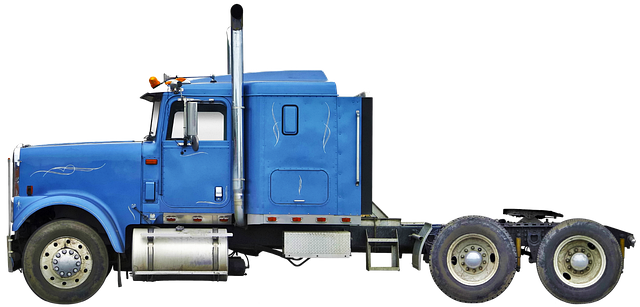
Before you can register your car in California, you’ll need to gather several key documents. This process is crucial for ensuring a smooth transition from ownership to official registration. The first step involves verifying your vehicle’s unique identifier—the Vehicle Identification Number (VIN). In California, this verification is often done through a mobile VIN inspection or verifier, making it easier than ever to confirm the vehicle’s history and specifications.
A mobile VIN inspection service allows you to have this critical check performed right at your location, whether it’s at home or at a local shop. These services utilize advanced technology to cross-reference the VIN with databases containing detailed vehicle information, including accident reports, odometer readings, and prior ownership records. For instance, a 2015 study by the California Department of Motor Vehicles (DMV) revealed that vehicles registered through mobile VIN verification had a significantly lower rate of title fraud compared to traditional methods.
Additionally, you’ll need to gather documents such as proof of insurance, a valid driver’s license, and evidence of residency. It’s essential to check the DMV’s website or contact a local office for a complete list of required documents, as they may vary based on your specific circumstances. Once all necessary paperwork is in order, you can proceed with the registration process at a California DMV field office or, if eligible, utilize their online and mail-in services. This meticulous documentation process is a critical step in ensuring that your vehicle’s registration reflects its true history and status.
Verify Vehicle Identification Number (VIN) with a Tool

Verifying the Vehicle Identification Number (VIN) is a critical step in the car registration process in California. This unique 17-character code acts as a fingerprint for your vehicle, providing essential information about its make, model, year, and even manufacturing history. To ensure accuracy and avoid potential issues down the line, it’s crucial to use a reliable VIN verifier.
California offers both online and mobile vin verification options. Online tools require you to input your VIN and access data from various databases. Mobile vin inspection apps take this convenience a step further by allowing you to verify your vehicle’s identity directly from your smartphone. These applications utilize GPS technology and real-time data connections for on-the-go inspections, making the process swift and efficient. For instance, the California Department of Motor Vehicles (DMV) provides a mobile app that facilitates VIN lookup as part of its online services.
A reliable vin verifier ensures that your vehicle’s history is accurately represented. This is particularly important in identifying potential odometer rollbacks or manufacturing defects. According to a study by the National Highway Traffic Safety Administration (NHTSA), approximately 14% of vehicles with manipulated odometers were found to have other undisclosed issues, underscoring the need for thorough VIN inspections. By utilizing mobile vin verification tools, California residents can streamline the registration process and gain peace of mind regarding their vehicle’s authenticity.
Choose an Appropriate Registration Class and Pay Fees

When registering your car in California, understanding the appropriate registration class is crucial. Different types of vehicles require specific classifications, which directly impact the fees you’ll pay. This process involves a thorough inspection to ensure compliance with state standards. One effective tool for this step is a mobile VIN (Vehicle Identification Number) verifier, allowing for convenient and accurate verification during your preparation.
California offers various registration classes, each with its own fee structure. For example, private passenger cars typically fall under Class 1, while commercial vehicles or those with specialized purposes may be classified differently. The registration fees vary based on vehicle age, emissions standards met, and other factors. Utilizing a mobile VIN inspection service can streamline this process by providing immediate data access, ensuring you’re prepared to pay the correct amount.
To ensure efficiency, consider scheduling your mobile VIN inspection prior to registering. This step helps avoid delays or additional charges due to discrepancies in vehicle information. It’s advisable to compare quotes from different mobile vin verifier providers to find the most cost-effective and reliable service for your needs. By being proactive and informed, you can navigate California’s registration process smoothly, saving time and effort.
Register Your Car Online or In-Person at the DMV

Registering a car in California involves a straightforward process, whether you choose to complete it online or in person at the Department of Motor Vehicles (DMV). Both methods offer convenience and efficiency for vehicle owners. If you opt for an online registration, create an account on the DMV’s website using your personal information and vehicle details. You’ll need accurate data, including your Vehicle Identification Number (VIN), which serves as a unique identifier for your car. A mobile VIN verifier can assist in accurately capturing this critical data by scanning the VIN from your vehicle’s label or title document. Once entered, the system will generate a registration fee estimate and guide you through the steps to submit your application.
In-person registration at a DMV field office is equally efficient. Bring all necessary documents, including proof of ownership, identification, and payment for fees. Again, ensure your VIN is readily available; a mobile VIN verification service can be useful here to confirm the vehicle’s information before you visit, saving time during your trip. At the DMV, you’ll complete forms, provide required documentation, and pay the registration fee. Staff will then process your application, which typically takes a short time.
Regardless of your chosen method, having your VIN readily available through a mobile vin verifier ensures accuracy and expedites the car registration process in California.
By following these structured steps, from understanding California’s car registration requirements to verifying your Vehicle Identification Number (VIN) with a reliable tool and choosing the correct registration class, you’ve equipped yourself with the knowledge needed to navigate the process seamlessly. Whether registering online or in-person at the DMV, this guide ensures you’re prepared. Remember, accurate VIN verification is paramount, serving as a critical component of the car registration process. With these insights, you’re now empowered to register your vehicle efficiently and accurately.