

Registering a car in California is a vital step for any new owner, ensuring legal compliance and providing protection. However, navigating the process can be daunting, especially with stringent requirements and evolving regulations. Many find themselves pondering, “How do I register my car with the DMV?” This article serves as your comprehensive guide, offering expert insights on every step of the journey. From gathering essential documents to utilizing tools like the DMV VIN verifier, we’ll ensure you’re prepared to navigate this process smoothly and efficiently.
- Prepare Your Vehicle Documentation
- Gather Required Identification and Proof
- Visit or Contact the DMV: Steps to Follow
- Perform a Vehicle History Report Using DMV VIN Verifier
- Complete Registration and Obtain License Plate
Prepare Your Vehicle Documentation

Before you register your car in California, it’s crucial to prepare your vehicle documentation thoroughly. This process begins with ensuring all necessary papers are in order, including your vehicle identification number (VIN) information. The California Department of Motor Vehicles (DMV) requires a valid VIN verifier, such as a mobile VIN inspection or mobile VIN verifier, to verify the authenticity of your car’s VIN. This step is essential to prevent fraud and ensure the accuracy of registration records.
One practical approach is to utilize a mobile VIN verification service. These services offer convenient, on-site inspections using advanced technology to cross-reference your VIN with state databases. For instance, some providers can perform a mobile VIN inspection within minutes, allowing you to address any discrepancies before proceeding with registration. This method not only saves time but also enhances the accuracy of your vehicle’s documentation.
Additionally, having a comprehensive understanding of your vehicle’s history is vital. Check for any outstanding recalls or issues that might impact registration. Some manufacturers offer digital records of vehicle service histories, which can be easily accessed through their websites or mobile apps. If you’ve owned the car privately, gathering documents like purchase records, maintenance logs, and previous registration papers is essential. This documentation not only streamlines the registration process but also serves as a valuable record of your vehicle’s lifecycle.
Gather Required Identification and Proof

When preparing to register your car in California, gathering the necessary identification and proof documents is a crucial step. This process ensures that your vehicle complies with state regulations and allows you seamless access to vital services like roadworthiness and insurance. Among these requirements, the DMV (Department of Motor Vehicles) VIN verifier plays a significant role, cross-referencing your vehicle’s unique identifier against their databases to verify its authenticity and history.
In California, you’ll need to present several key documents to prove both ownership and vehicle identity. For instance, providing a valid driver’s license or state ID card is essential. Additionally, as part of the registration process, you must offer proof of insurance, which can be in the form of an insurance card or a certificate of insurance from your insurer. Another critical component involves mobil VIN verification or mobile vin inspection—using a trusted service to check your vehicle’s history through its Vehicle Identification Number (VIN). This digital inspection ensures that there are no outstanding issues, such as salvage titles or outstanding recalls, which could impede registration.
To facilitate this process, many California residents opt for mobile VIN verification services, allowing them the convenience of checking their vehicle’s status from anywhere. These services often provide real-time data, including collision history, odometer readings, and previous owners, giving you a comprehensive overview before submitting your registration application. Remember, accuracy is paramount; ensuring that all documentation, especially the VIN inspection reports, is up-to-date and error-free will streamline your car registration in California.
Visit or Contact the DMV: Steps to Follow
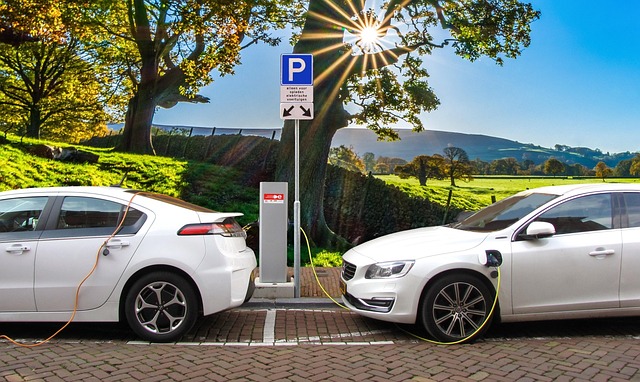
Visiting or contacting the DMV is a crucial step when registering your car in California. The process begins with ensuring your vehicle meets all safety and environmental standards, which can be verified through a mobile VIN inspection or by utilizing the DMV’s own online tools. Once your car passes these initial checks, you’ll need to gather essential documents such as proof of ownership, vehicle identification number (VIN), and valid registration from your previous state if applicable.
When visiting a DMV office, be prepared with these documents to streamline the process. The DMV officer will inspect your vehicle to ensure it complies with California’s safety regulations. If your car has any defects, they may refer you to a certified repair facility for rectification before proceeding with registration. This step is designed to maintain high safety standards on California’s roads.
For those who prefer a more convenient approach, the DMV offers mobile VIN verification services. These inspections allow you to verify your vehicle’s compliance from the comfort of your home or workplace. A mobile VIN verifier checks crucial components such as the engine and chassis for any discrepancies against the official records, providing instant feedback. This option is particularly useful for individuals with busy schedules who want to avoid waiting times at a physical location. Data suggests that mobile VIN inspections can save time by eliminating unnecessary trips and minimizing processing delays.
Perform a Vehicle History Report Using DMV VIN Verifier

Before registering your car in California, conducting a Vehicle History Report using a DMV VIN Verifier is an essential step that can’t be overlooked. The California Department of Motor Vehicles (DMV) offers a powerful online tool to check a vehicle’s past, ensuring you’re making an informed decision. This process involves utilizing the unique 17-digit identification number—the Vehicle Identification Number (VIN)—to gain access to detailed information about the car’s history, including accident reports, ownership records, and maintenance records.
Performing a VIN inspection through a DMV vin verifier or even using a mobile vin verifier app is straightforward. You simply input the VIN into the designated field on the DMV website or app and receive an instant report. This digital verification process provides peace of mind by uncovering any potential red flags that might impact your decision to purchase or register. For instance, a vehicle with a history of severe accidents or ongoing mechanical issues will show up in these reports, allowing you to make informed choices.
Moreover, having access to real-time mobile vin verification data can save valuable time and effort. Many modern apps offer this service, enabling users to check a car’s history on the go. With just a few clicks, you can confirm if a vehicle has been in any recalls, floods, or accidents, which are critical factors in determining its overall condition and value. Remember, an accurate VIN inspection is crucial for ensuring the safety and legitimacy of your California vehicle registration process.
Complete Registration and Obtain License Plate

To complete the registration process in California, you’ll need to follow several steps after passing your vehicle inspection, ensuring all necessary documents are in order. One crucial aspect is obtaining a Vehicle Identification Number (VIN) verification and license plates for your car. This involves visiting or contacting the California Department of Motor Vehicles (DMV), either in person or through their online services.
When registering your vehicle, you must provide the DMV with accurate and up-to-date information about your car, including its make, model, year, and VIN. A VIN inspection is a critical part of this process, ensuring that your vehicle meets safety standards and isn’t stolen or reported as damaged. You can facilitate this through a mobile VIN verifier, which allows for convenient and efficient verification during registration. This technology enables quick cross-referencing with state databases to confirm the vehicle’s history, making the registration process smoother for both you and the DMV staff.
For instance, some mobile VIN inspection services offer real-time data access, providing detailed vehicle information within minutes. This can include reporting on any previous accidents, outstanding liens, or recall notices related to your car. By utilizing these modern tools, such as a mobile VIN verifier, California residents can streamline their registration experience while ensuring their vehicles are safe and compliant with legal requirements. It’s advisable to research reputable services that offer this functionality for a seamless transition during the registration process.
By meticulously preparing your vehicle documentation, gathering essential identification and proof, and following a structured approach when visiting or contacting the DMV, you can successfully register your car in California. A crucial step in this process is utilizing the DMV’s VIN Verifier to perform a comprehensive vehicle history report, ensuring a transparent and secure registration. Once completed, you’ll receive your registration and license plate, officially making your vehicle road-ready. This streamlined process, guided by the DMV VIN Verifier, reinforces California’s commitment to efficient and safe motor vehicle administration, empowering citizens with clear, practical steps for a seamless car registration experience.